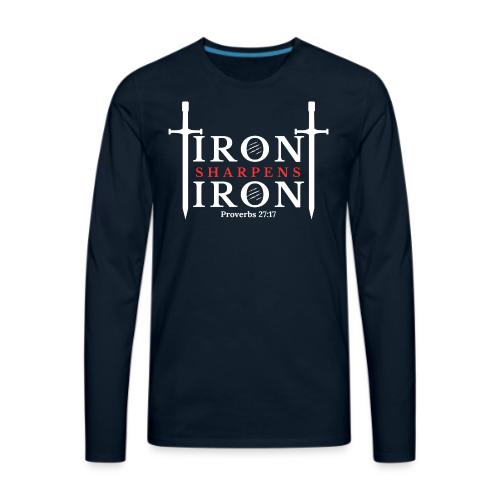
T-shirts are a staple of casual wear for people of all ages, genders, and backgrounds. They are comfortable, versatile, and easy to wear. When it comes to t-shirt material, there are many options available, each with its unique features and benefits. However, some materials are more popular than others. In this article, we will explore which t-shirt material sells the most and why.


Cotton
Cotton is the most popular material for t-shirts, and it’s not hard to see why. Cotton is a natural fiber that is soft, breathable, and comfortable. It’s easy to care for and durable, making it ideal for everyday wear. Cotton t-shirts come in a variety of weights, from lightweight to heavyweight, and a range of colors, so there is something to suit everyone’s taste.
One of the reasons cotton is so popular is its versatility. It can be used to make t-shirts for all seasons, from lightweight summer tees to heavier winter tops. Cotton is also easy to dye, so it’s available in a wide range of colors and patterns. Whether you prefer plain white T-shirts or bold graphic designs, you can find a cotton T-shirt that suits your style.
Another factor that makes cotton t-shirts so popular is their affordability. Cotton is widely available and relatively inexpensive, making it accessible to a wide range of consumers. Whether you are on a tight budget or looking for a high-end designer tee, you can find a cotton t-shirt that fits your needs.
Cotton t-shirts also have a timeless appeal. They are classic, simple, and never go out of style. While trends come and go, a plain white cotton t-shirt will always be in fashion. Cotton tees are also versatile, so you can dress them up or down depending on the occasion. Pair a cotton t-shirt with jeans for a casual look, or wear one under a blazer for a more formal outfit.
Polyester
While cotton is the most popular material for t-shirts, there are other options available. For example, polyester is a synthetic material that is lightweight, breathable, and durable. It’s also wrinkle-resistant, so it’s ideal for travel. Polyester t-shirts are often used for athletic wear, as they wick moisture away from the skin, keeping the wearer cool and dry.
Cotton-polyester blend
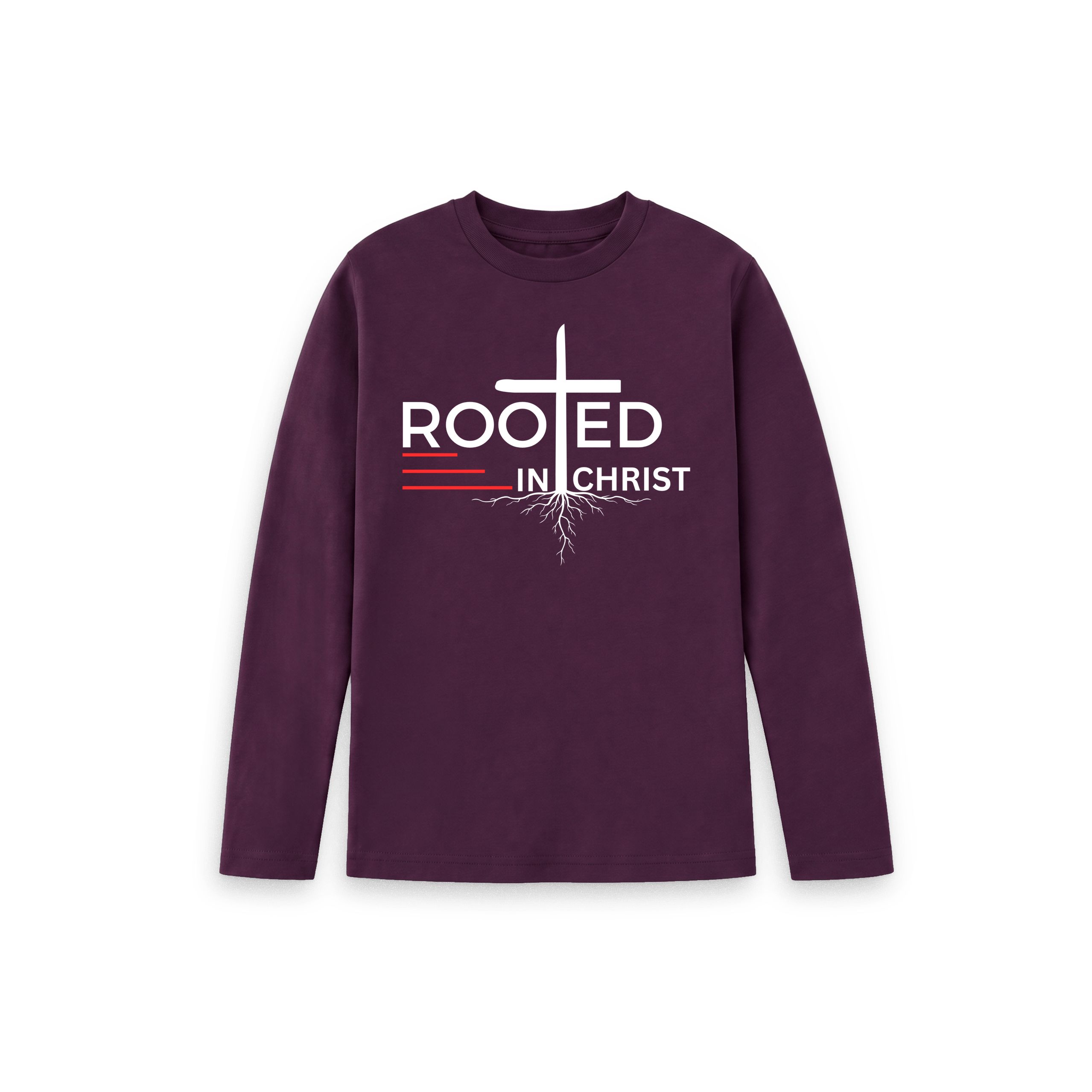
Another popular t-shirt material is a blend of cotton and polyester. This material combines the best of both worlds, offering the softness and comfort of cotton with the durability and moisture-wicking properties of polyester. T-shirts made from a cotton-polyester blend are often used for team sports, as they are comfortable, durable, and easy to care for.


Bamboo
Another natural fiber that is gaining popularity for t-shirts is bamboo. Bamboo is a sustainable material that is soft, breathable, and naturally antimicrobial. T-shirts made from bamboo are comfortable, durable, and eco-friendly. Bamboo t-shirts are also moisture-wicking, making them ideal for exercise and outdoor activities.
Other popular t-shirt materials
- Tri-blend – Tri-blend t-shirts are made of a combination of cotton, polyester, and rayon. They are soft, comfortable, and have a vintage look.
- Rayon – Rayon is a lightweight, breathable, and silky material that drapes well. It is often blended with other materials to create a soft and comfortable t-shirt.
- Performance fabrics – Performance fabrics such as spandex, nylon, and elastane are often used in athletic and workout t-shirts. These materials are stretchy, moisture-wicking, and quick-drying.
In conclusion, while there are many materials available for t-shirts, cotton remains the most popular choice for consumers. Cotton is versatile, affordable, and easy to care for, making it accessible to a wide range of consumers. Cotton t-shirts also have a timeless appeal, never going out of fashion. However, other materials, such as polyester, cotton-polyester blends, and bamboo, are gaining popularity for their unique features and benefits. Ultimately, the choice of t-shirt material depends on personal preference, style, and intended use.
Shop our Christian clothing store for 100% cotton T-Shirts
MindOnJesus.com